Step one
A quick chat first
Before anything begins, we talk through what is going to happen and answer any questions. If you are nervous, this is the moment to say so, and we will adjust the pace to suit you.

When a tooth cannot be saved, we make removal as gentle and straightforward as possible. Calm, careful care, with clear advice on replacing the tooth afterwards.
A tooth extraction is the removal of a tooth that can no longer be saved. Most people picture something far worse than it is.
With a local anaesthetic, you should feel pressure and a little movement, but no pain. For most straightforward cases, the tooth is out within minutes and you are home not long after.
Sometimes decay or an infection has simply gone too far to fix. Sometimes a tooth is badly broken, loose from gum disease, or crowding the ones around it.
Wisdom teeth are a common one too, when they come through at an awkward angle and start causing trouble for the teeth beside them. Whatever the reason, removing it is often the kindest thing for the rest of your mouth.
The part most people dread, the anaesthetic, is a small pinch and then nothing. From there it is mostly pressure rather than pain.
If you are nervous, tell us when you book. We will take it slowly, explain each step as we go, and stop whenever you need a moment.
We will always explain why an extraction is being recommended before anything is decided, and talk through your options for filling the gap afterwards.
From a simple bridge to a dental implant, there is usually a good way to restore the space, and we will help you choose the one that suits you.
Worried about a tooth, or in pain? Book in and we will take a proper look, with no pressure either way.
 Calm, careful care
 01
01When decay has reached deep into the tooth and there is too little healthy structure left for a filling or a crown to fix, removing it is often the safest option.
 02
02An infection that has spread too far to settle with root canal treatment can keep causing pain and damage. Taking the tooth out clears the source for good.
 03
03A tooth fractured below the gum line, where there is not enough left to rebuild, usually cannot be saved. We will always explore every option first.
 04
04Advanced gum disease can loosen a tooth from the bone supporting it. Once a tooth is too mobile to save, removing it protects the teeth around it.
 05
05Sometimes a healthy tooth is removed to make space, often before orthodontic treatment, so the rest of your teeth have room to sit properly.
 06
06When wisdom teeth come through at an awkward angle, they can cause pain, infection or pressure on the teeth beside them, and are often best removed.
Not sure if your tooth can be saved?
Book an assessment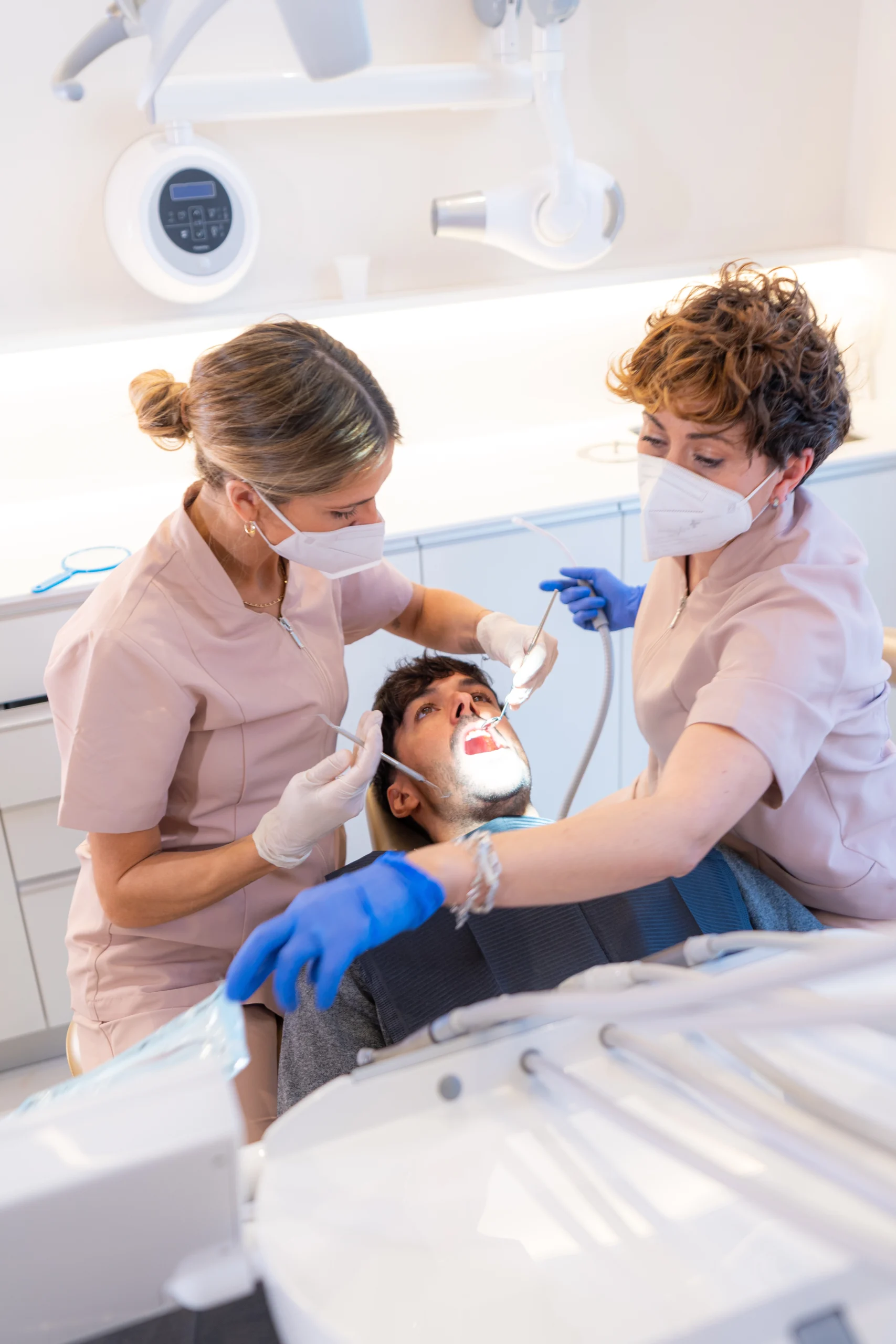 You are in good hands
Before anything begins, we talk through what is going to happen and answer any questions. If you are nervous, this is the moment to say so, and we will adjust the pace to suit you.
A local anaesthetic is gently applied, so the tooth and the gum around it go completely numb. It is a small pinch, then nothing. We wait until you are ready before going on.
You will feel some pressure and a little movement, but no pain. Most teeth are out within minutes. We will keep checking in with you and stop any time you need a break.
We make sure the area is settling, then talk you through simple aftercare so it heals well. You will leave knowing exactly what to do, and how to reach us if you need anything.
Nervous about the day? Just let us know when you book. We see it all the time and we will make sure you feel comfortable from start to finish.
We numb the tooth fully and move at a pace that suits you.
However long it has been, you get honesty and care, nothing else.
We explain each step and stop the moment you need a breather.
Recovering from an extraction is usually straightforward. A little care in the first few days goes a long way, and we are here if you need us.
Bite gently on the gauze for around half an hour to help a clot form in the socket. That clot protects the area, so rest for the rest of the day, avoid hot drinks, and try not to rinse your mouth.
Once the numbness wears off, a little soreness is normal. Ordinary painkillers usually handle it well, and a cold compress against your cheek helps with any swelling in the first day or two.
Stick to soft, cool foods at first and chew on the other side. Soup, yoghurt and mashed potato are ideal. Avoid anything crunchy or very hot, and skip straws for a couple of days.
From the day after, rinse softly with warm salty water a few times a day, especially after meals. Carry on brushing your other teeth as normal, just take care around the socket.
Most extractions heal without any bother. But if bleeding will not settle, pain worsens after a few days, or you feel feverish, just give us a ring and we will see you quickly.
Call 0151 228 2226
Once a tooth is gone, the space left behind can affect the teeth around it over time. The good news is there is almost always a good way to restore it. Here are the main options we might talk through with you.
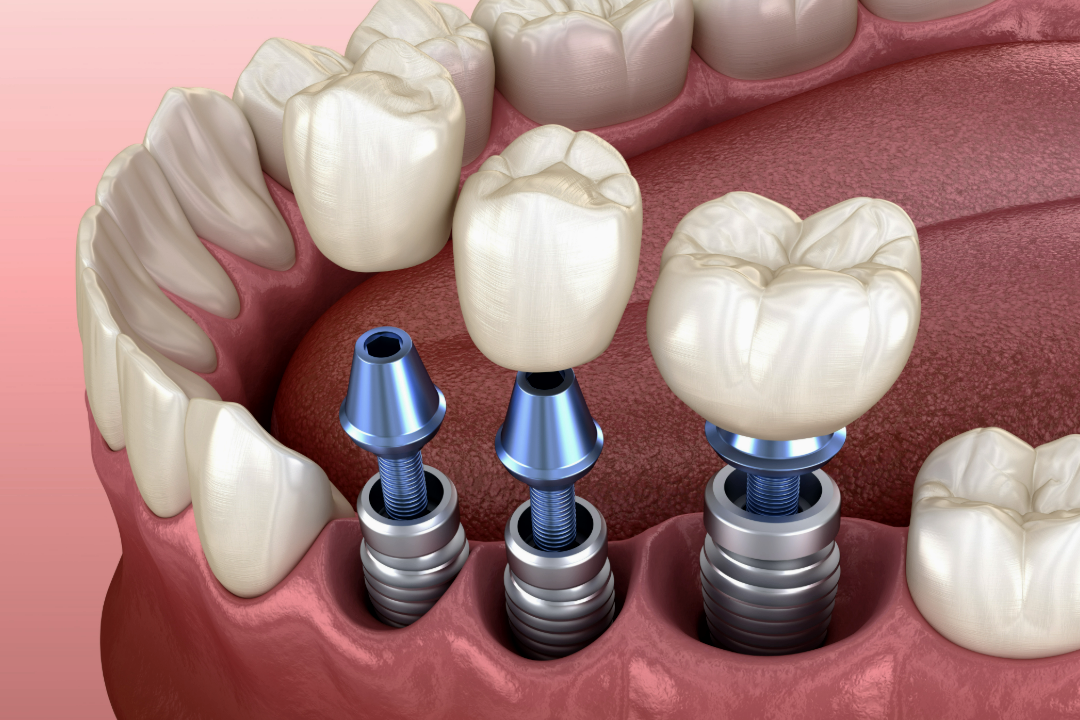
A titanium post that replaces the root, topped with a natural-looking crown. The closest thing to having your own tooth back, and our area of real expertise.
Learn more ›A fixed replacement that anchors to the teeth either side of the gap. Reliable and long-standing, without the need for surgery.
A removable replacement for one tooth or several. Often the most affordable choice, and a sensible starting point for many people.
Sometimes, depending on which tooth it is, leaving the space is perfectly fine. We will always be honest about whether you need to do anything at all.

Whether a tooth is causing you pain or you have been putting off sorting it out, book in and we will talk you through your options calmly, with no pressure either way.