Step one
A proper look first
We check the tooth, usually with an X-ray, and explain exactly what is going on and what the treatment involves. If you are nervous, this is the moment to say so, and we will go at your pace.
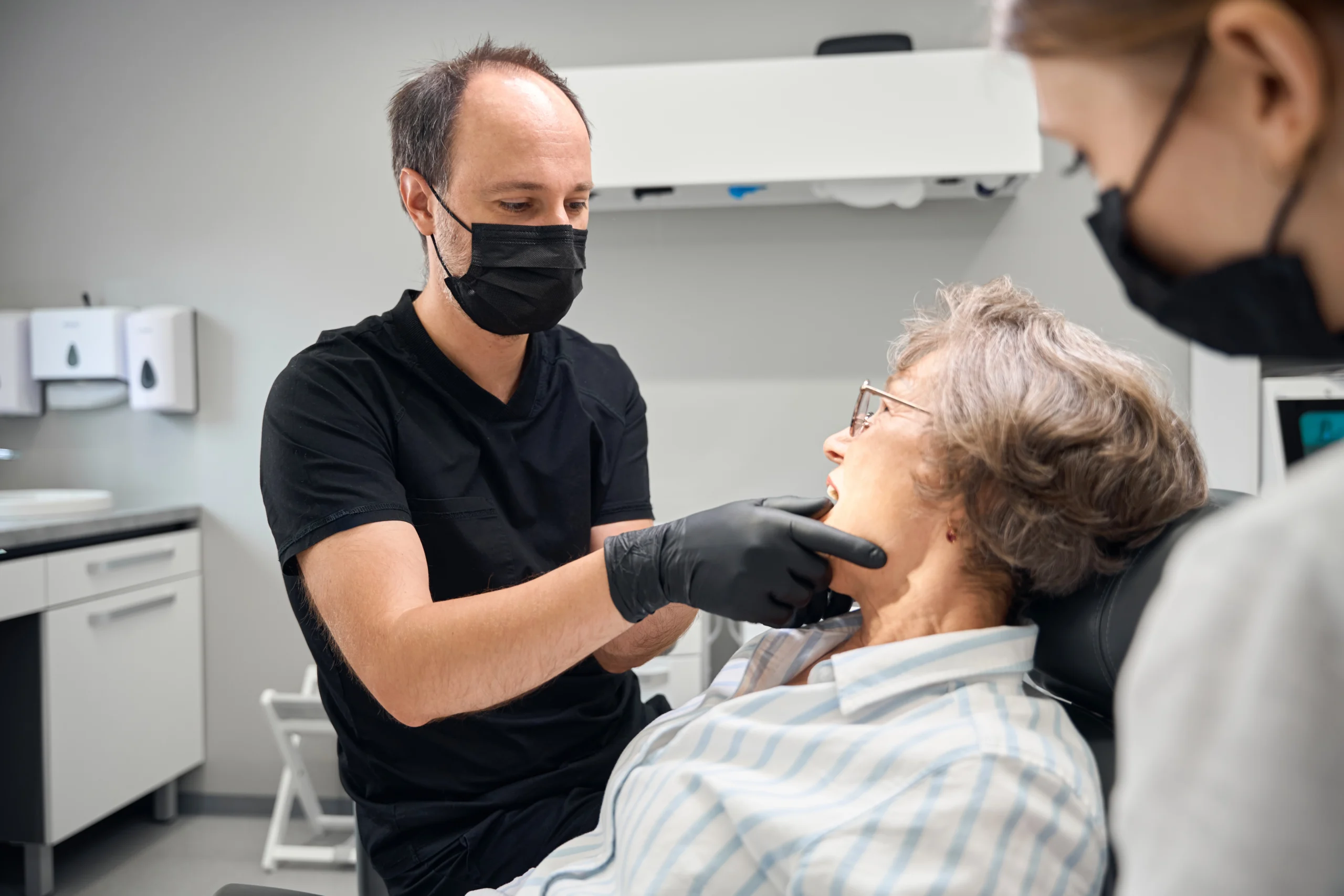
Root canals have a worse reputation than they deserve. Done gently, with the tooth fully numbed, it feels much like a filling, and it saves a tooth that would otherwise be lost.
A root canal treats infection deep inside a tooth, in the soft tissue that holds the nerve. Rather than taking the tooth out, we gently clean out the infection from inside, then seal it up so it can stay put.
It saves a tooth that would otherwise have to come out, which is always worth doing where we can. Your own tooth, kept and working, beats any replacement.
When decay or a crack reaches the nerve inside a tooth, it can become infected and start to throb. That deep, lingering ache is the usual sign a root canal is needed.
Left alone, the infection does not settle on its own, and can lead to an abscess. Treating it clears the pain at its source and lets you keep the tooth.
This is the big one, and the honest answer is no. The tooth is fully numbed first, so the treatment itself feels much like having a filling. The pain people dread is usually the infection beforehand, which we are relieving.
If you are anxious, tell us when you book. We will explain each step, go at your pace, and stop whenever you need a moment.
A treated tooth can last for years, often for life. Because it can become a little more brittle, we will usually suggest a crown to protect it and let you bite and chew with confidence.
After that, it is cared for exactly like your other teeth: brushing, flossing, and regular check-ups so we can keep an eye on it.
In pain, or been told you need a root canal? Book in and we will take a proper look, calmly and with no pressure either way.
 Calm, careful care
 01
01A throbbing pain that lingers, rather than a quick twinge, often points to the nerve inside a tooth being affected. It is the classic sign a root canal may be needed.
 02
02If hot or cold sets off pain that carries on well after, rather than settling in a second or two, the nerve may be inflamed and need treating.
 03
03A swollen, tender gum near a sore tooth, or a small spot that comes and goes, can be a sign of infection at the root that needs dealing with.
 04
04A sharp jab when you bite down, or a tooth that feels sore to touch, can mean the infection has reached the tissue around the root.
 05
05A single tooth turning grey or darker than its neighbours can mean the nerve inside has died, even if it is not hurting. It is worth getting checked.
 06
06When a crack or a large chip reaches deep into a tooth, it can expose the nerve to infection. A root canal can often save it where a filling no longer can.
In pain or not sure? Best to get it checked.
Book an assessment You are in good hands
We check the tooth, usually with an X-ray, and explain exactly what is going on and what the treatment involves. If you are nervous, this is the moment to say so, and we will go at your pace.
The tooth and the area around it are fully numbed first. It is a small pinch, then nothing. We wait until you are completely comfortable before anything else begins.
We gently clean the infection out from inside the tooth and shape the canals so they are clean and clear. You will feel some pressure, but no pain. We check in with you throughout.
Once it is clean, we seal the tooth to keep infection out and fill it. We will usually talk to you about a crown to protect it, so you can bite and chew with confidence again.
Dreading it? You are not alone, root canals worry a lot of people. Tell us when you book and we will make sure you feel comfortable from start to finish.
We numb the tooth fully and move at a pace that suits you.
However long it has been, you get honesty and care, nothing else.
We explain each step and stop the moment you need a breather.
Most people feel a great deal better once the infection is dealt with. Recovery is usually straightforward, with just a little care needed in the first few days.
The tooth stays numb for a few hours, so hold off eating until the feeling comes back to avoid biting your cheek or tongue. Take it easy for the rest of the day.
The tooth and gum may feel tender for a few days, especially when biting. Ordinary painkillers handle it well, and it eases off steadily as everything settles down.
Until the tooth is permanently restored, chew on the other side and avoid anything too hard on it. A treated tooth can be a little brittle, so be gentle with it for now.
We will usually fit a dental crown soon after, to protect the tooth and let you bite normally again. Once it is on, the tooth is cared for just like any other, brush, floss, and keep up your check-ups.
Some tenderness is normal, but if the pain worsens after a few days, the tooth swells, or your bite feels off, just give us a ring and we will see you quickly.
Call 0151 228 2226

In pain, or been told you need a root canal? Book in and we will take a proper look, talk you through it calmly, and save the tooth where we can.